

Shoulder
From rotator cuff and instability to frozen shoulder and arthritis. Each condition page explains the diagnosis, the conservative options, and the role of surgery when needed.
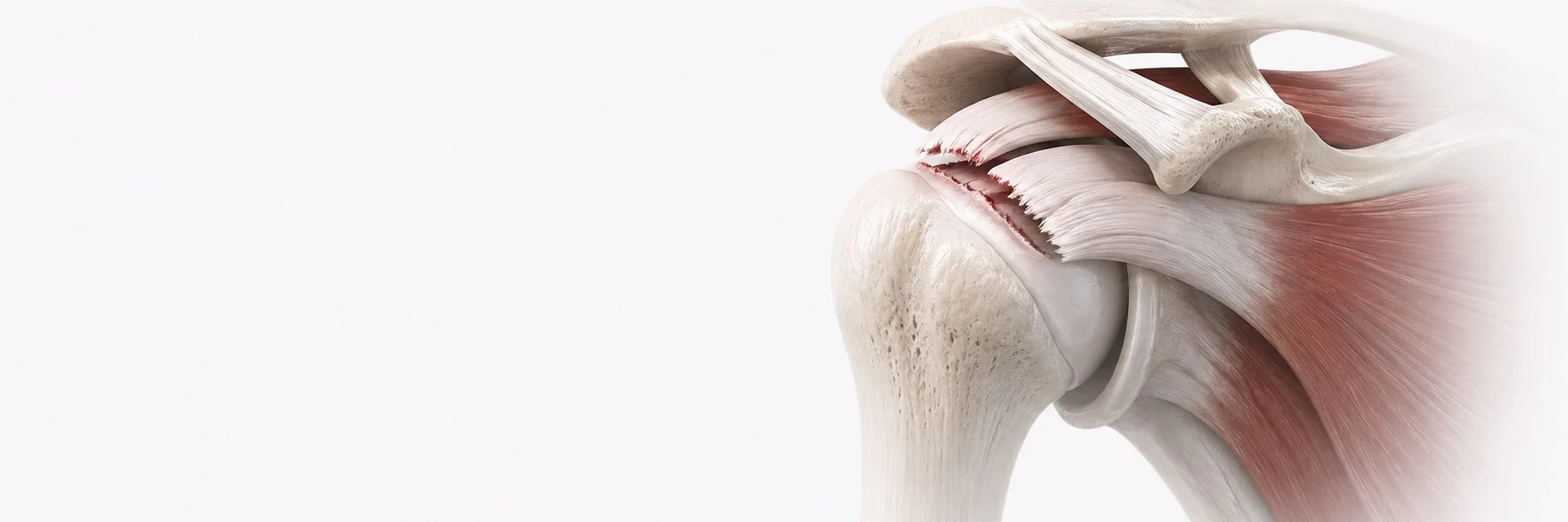
Rotator Cuff Tear
A common cause of shoulder pain and weakness, particularly in patients over 50. Many tears respond to conservative treatment; for those that need surgery, modern arthroscopic repair restores strong, well-functioning shoulders.
Learn More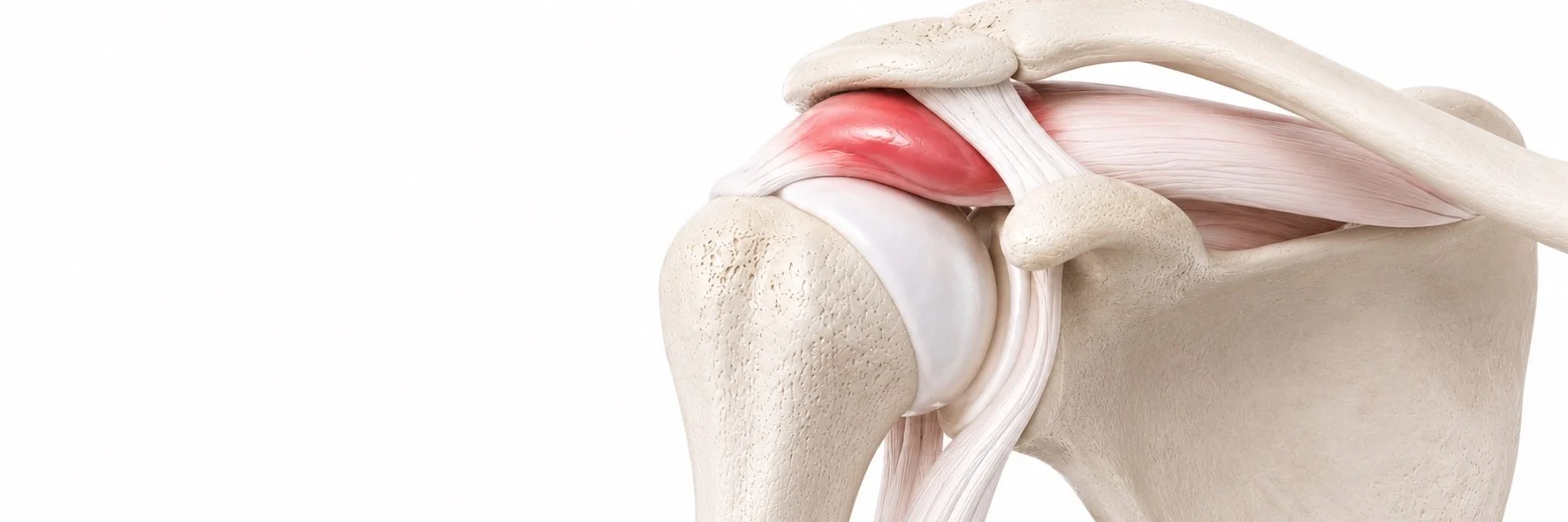
Shoulder Impingement Syndrome
Pain caused by compression of the rotator cuff tendons against the acromion bone above. One of the most common causes of shoulder pain, most patients improve with structured rehabilitation, addressing the underlying cause.
Learn More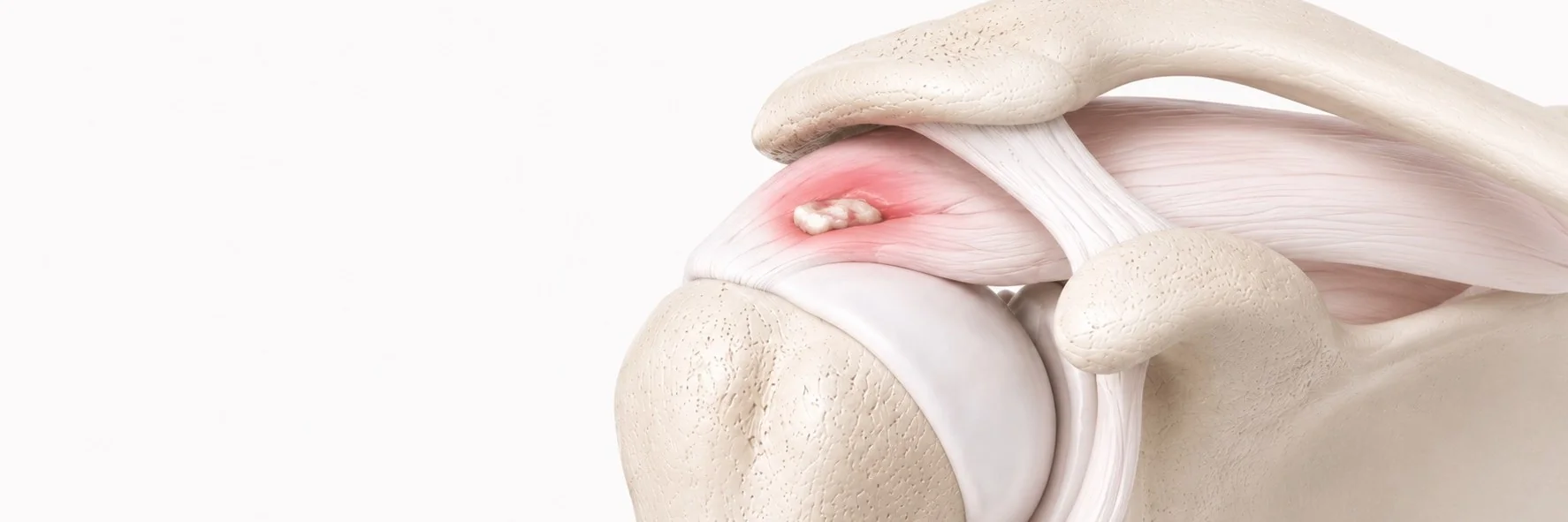
Calcific Tendonitis
Calcium deposits inside the rotator cuff tendons can cause severe, often sudden shoulder pain. The condition is usually self-limiting, most patients recover without surgery, sometimes after dramatic acute episodes.
Learn More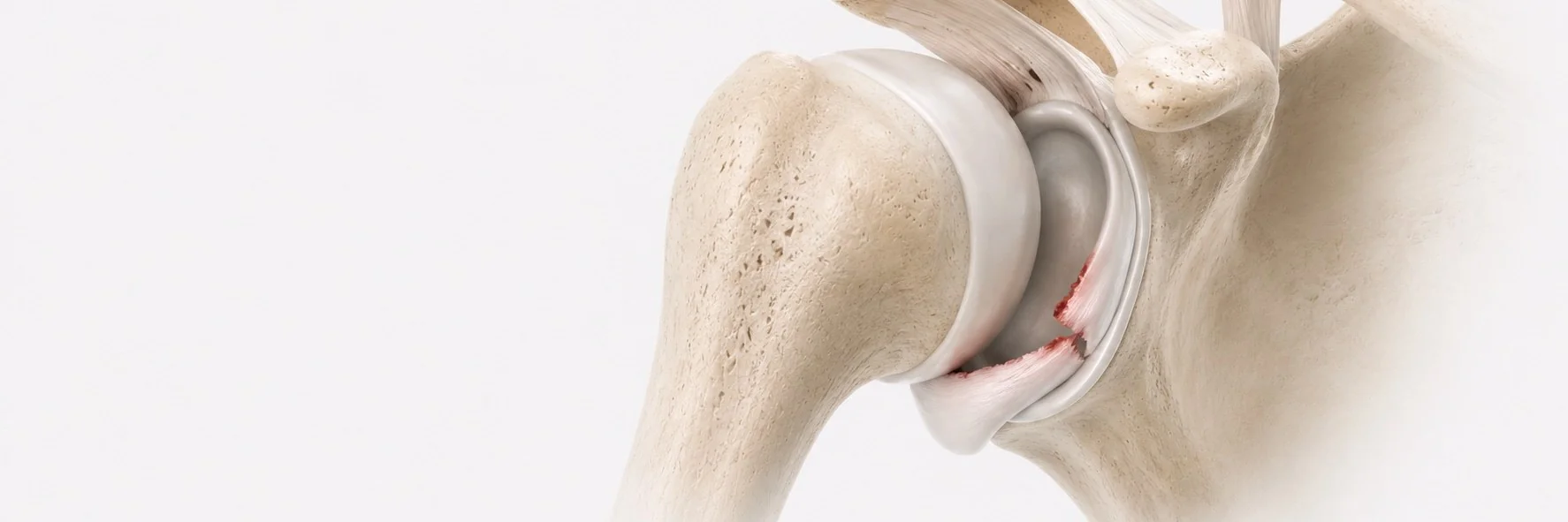
Shoulder Instability
Recurrent dislocations, subluxations or a sense of instability in the shoulder, most often after a first traumatic dislocation. Modern arthroscopic stabilisation reliably restores stability and allows return to demanding activities.
Learn More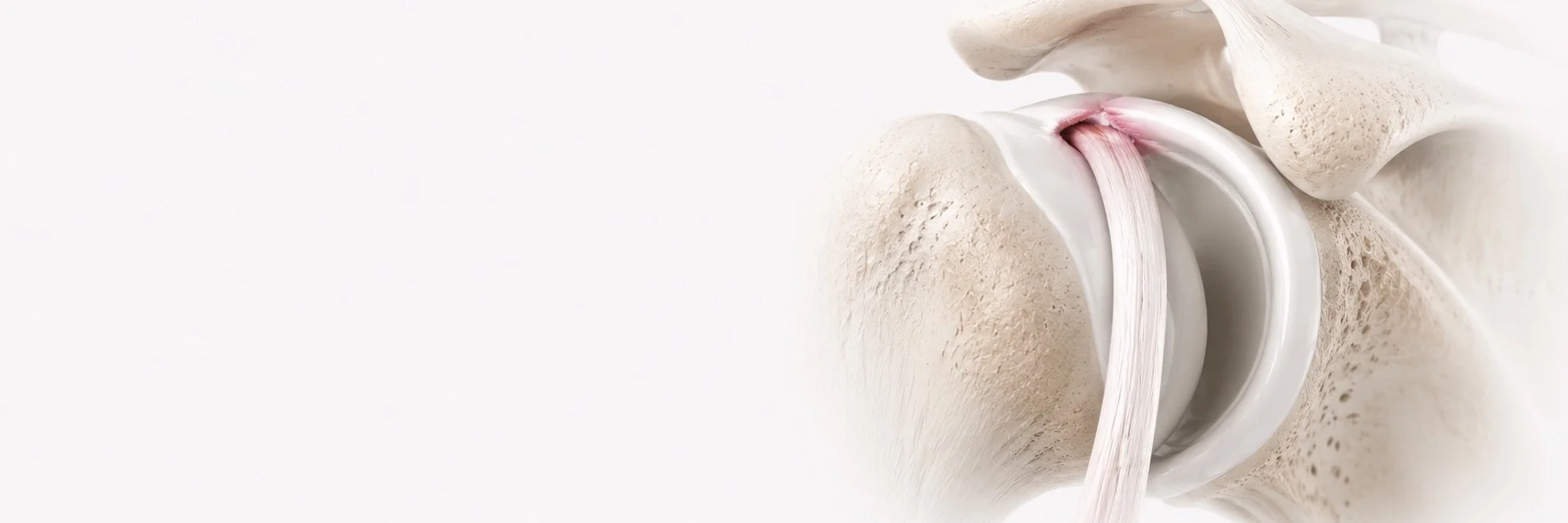
SLAP & Biceps Lesions
SLAP lesions are tears at the top of the labrum where the biceps tendon attaches. Often co-occurring with biceps tendinopathy, they cause deep shoulder pain and weakness, particularly in throwing athletes and overhead workers.
Learn More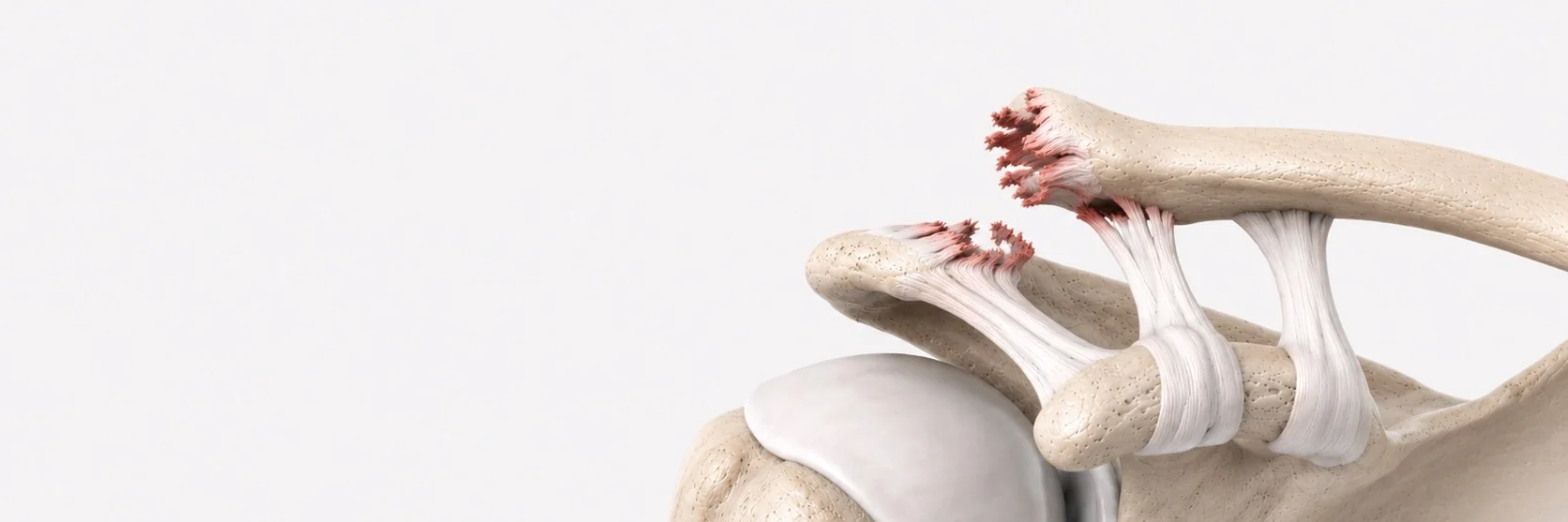
AC Joint Injuries
Sprains and dislocations of the joint between the collarbone and the acromion, most often from a fall onto the point of the shoulder. Treatment depends on the grade of injury, with most low-grade injuries managed without surgery.
Learn More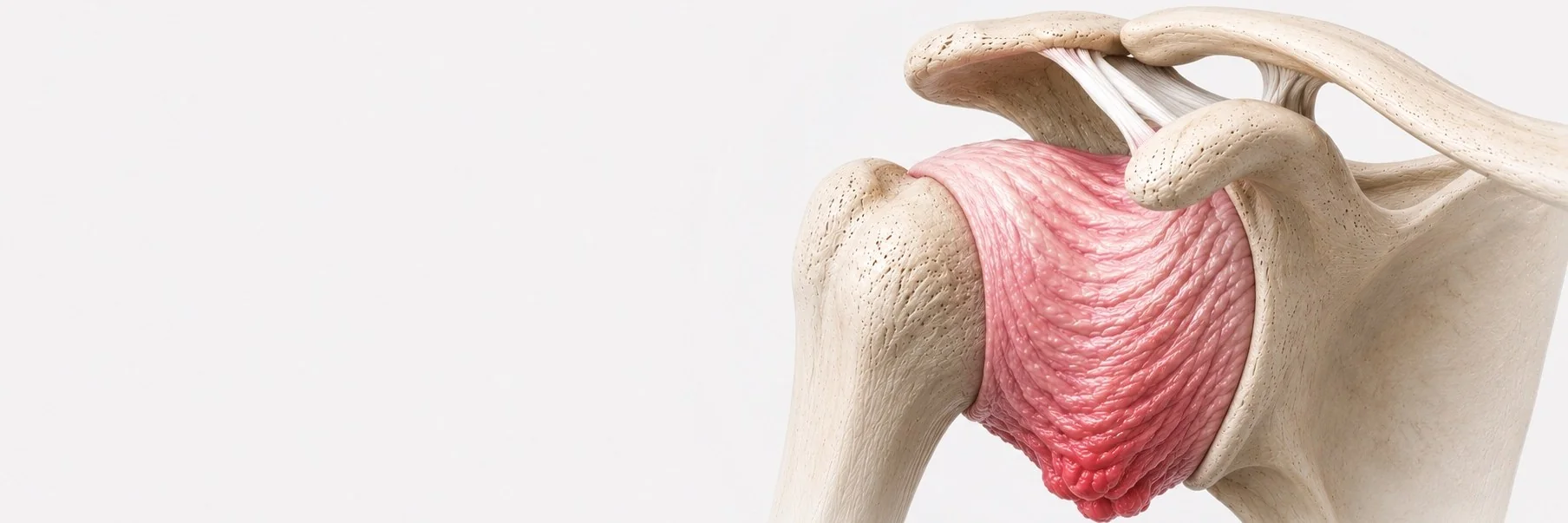
Frozen Shoulder
Adhesive capsulitis, a self-limiting but often disabling condition in which the shoulder capsule becomes inflamed and contracted. Most patients recover well with a structured non-operative programme; surgery is rarely needed.
Learn More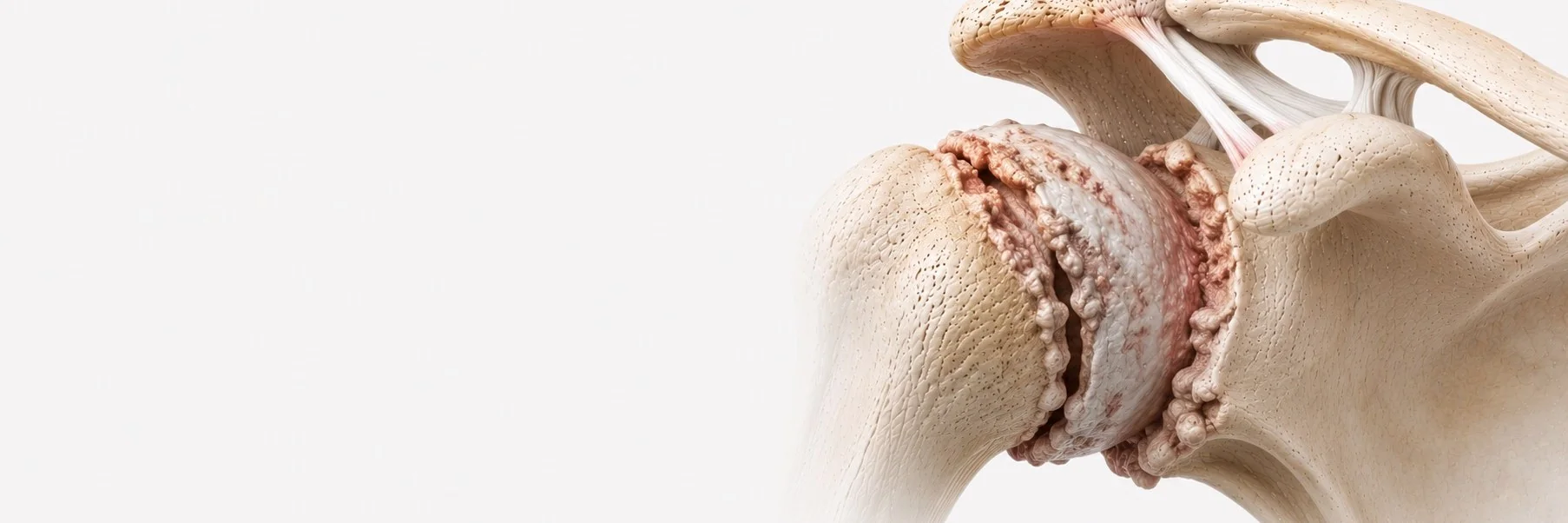
Shoulder Osteoarthritis
Wear of the cartilage of the shoulder joint, causing pain, stiffness and progressive loss of function. Modern shoulder replacement (anatomic or reverse, depending on the rotator cuff) reliably restores quality of life when conservative treatment is no longer enough.
Learn MoreConcerned about a shoulder problem?
Book a consultation at my clinic in Limassol. Together we’ll confirm the diagnosis and discuss the most appropriate treatment option for you.
Book an Appointment