

What does paediatric fracture care involve?
Paediatric fracture care is the specialist treatment of fractures in children, respecting the unique biology of growing bones. Treatment ranges from simple cast immobilisation (the vast majority) to minimally invasive surgery with flexible intramedullary nails or precise fixation of growth plate injuries.
The fundamental principle is that children are not small adults. Their bones are more elastic, heal much faster, and remodel many residual malalignments naturally. But they also contain growth plates, special cartilage structures that drive bone growth and must be protected at all costs.
What are the principles?
- minimum intervention, children's bones do most of the healing themselves
- respect for growth plates, surgical fixation must avoid crossing them whenever possible
- gentle handling of soft tissues, children's healing capacity is impressive but not unlimited
- patience with parents and child, explanation, reassurance and clear plans matter
- long-term follow-up when growth plates are involved, to detect any disturbance early
I want to be clear that the default in paediatric trauma should always be to do as little as possible while achieving the necessary result. The biology of growing bones does most of the work.
When is surgery needed in children?
Surgery is recommended in children for:
- displaced fractures involving the joint surface
- displaced growth plate injuries (Salter-Harris III, IV, V), anatomic reduction is essential
- displaced femoral shaft fractures in older children, flexible nailing
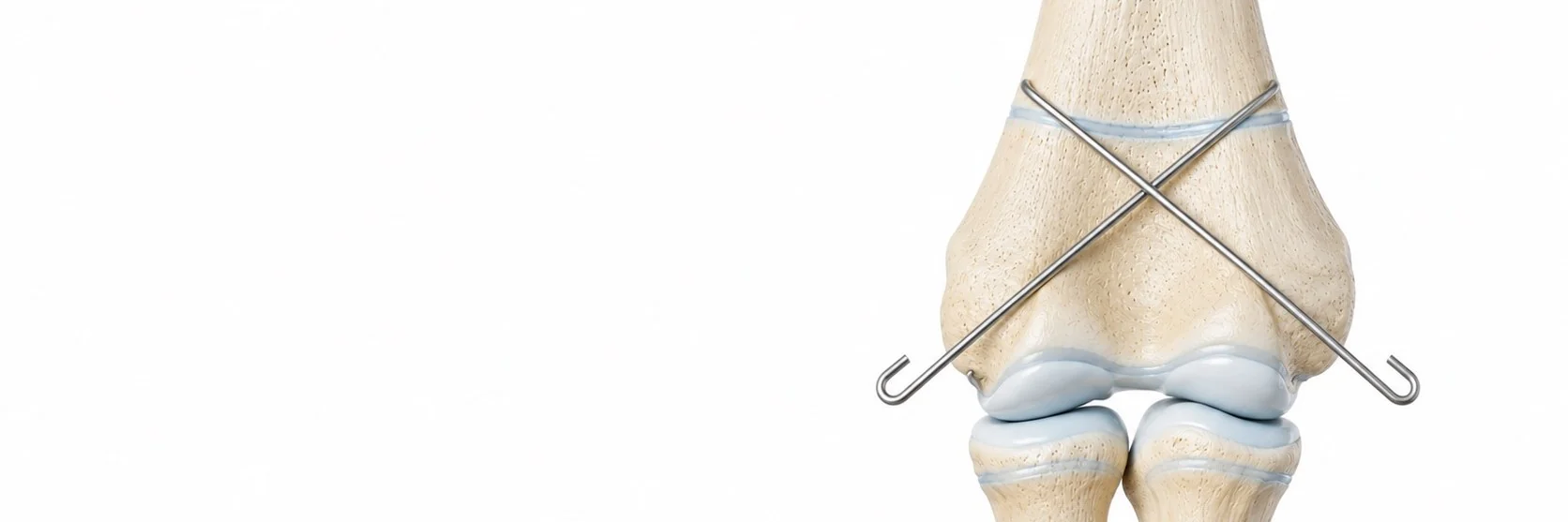
- displaced supracondylar humerus fractures, percutaneous pinning
- open fractures or fractures with vascular compromise
- fractures that cannot be held in acceptable position with closed methods
How is the surgery performed?
Paediatric fracture surgery uses techniques specifically designed for growing bones:
- flexible intramedullary nails, for diaphyseal fractures, inserted away from the growth plates
- percutaneous pinning, minimal incision technique that crosses the growth plate only when necessary, with smooth wires that can be removed
- open reduction and fixation, for displaced intra-articular fractures, with screws placed parallel to the growth plate
- precise reduction of growth plate fractures (Salter-Harris injuries), anatomic restoration of the physis is critical to prevent growth disturbance
I apply modern paediatric fracture techniques aiming for minimal invasiveness, anatomic reduction where the joint or growth plate is involved, and protection of the future growth potential of the bone.
What should parents expect after treatment?
- children heal much faster than adults, most simple fractures unite in 3–6 weeks
- casts are usually removed at 3–6 weeks depending on the fracture
- children regain motion quickly, formal physiotherapy is rarely needed
- flexible nails are typically removed at 6–12 months
- percutaneous pins are removed at 3–6 weeks
- long-term follow-up to skeletal maturity is essential when growth plates have been involved
The key thing is that follow-up doesn't end with the fracture healing in growth plate injuries. Children should be reviewed periodically until skeletal maturity to ensure normal growth.